Nursing
Nursing

NBCRNA CRNA

exam prep

National Board Certification & Recertification for Nurse Anesthetists: Certified Registered Nurse Anesthetist

ios app
Nursing
ios app
Princenton UniversityETH ZurichColumbia UGroningemErasmusErasmus2Erasmus3
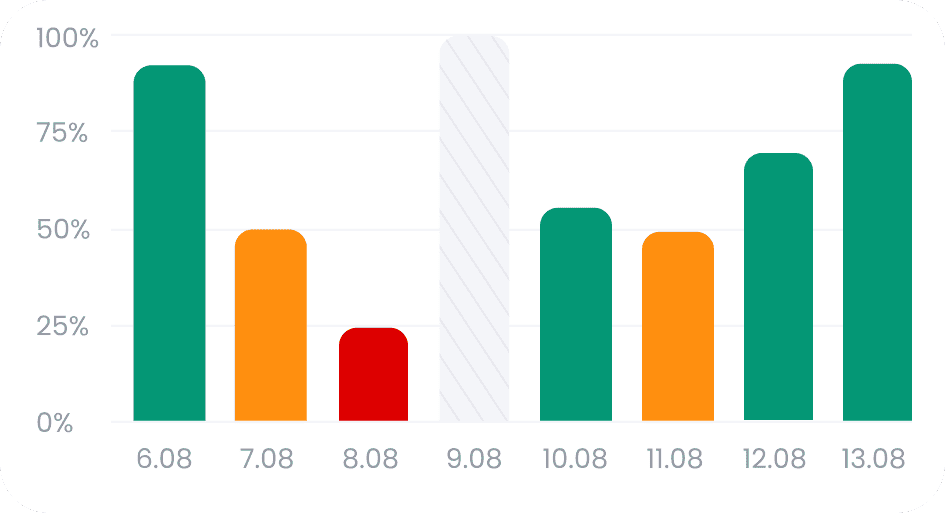
Progress chart preview

Track your progress

See what you’ve mastered and what to focus on next.

Gauge score preview

Know where you stand

Understand your level and how close you are to passing.

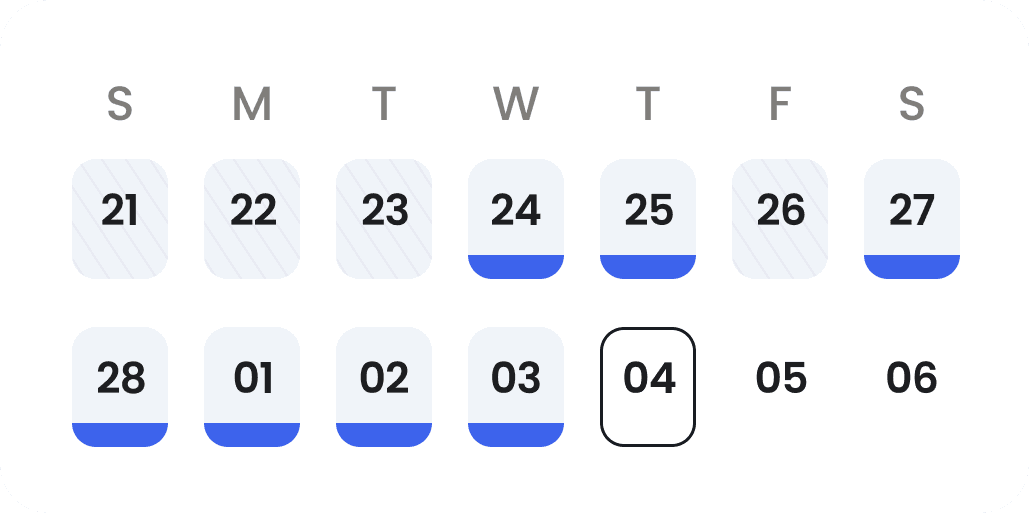
Daily streak calendar preview

Stay consistent

Build a daily habit that keeps you on track.

NBCRNA CRNA Certification Exam

General Information

The Certified Registered Nurse Anesthetist (CRNA) certification exam is administered by the National Board of Certification and Recertification for Nurse Anesthetists (NBCRNA). This certification is essential for nurse anesthetists seeking to validate their expertise in anesthesia practice. Key domains assessed include Airway Management, Applied Clinical Pharmacology, Applied Physiology and Pathophysiology, and Anesthesia Equipment, Technology, and Safety NBCRNA. CRNA certification is typically required for practice, with certified professionals often enjoying competitive salaries.

Exam Format

The NBCRNA CRNA exam is a variable-length, computerized adaptive test comprising 100 to 170 questions, to be completed within a three-hour time limit. It includes multiple-choice, calculations, drag-and-drop, hotspot, and graphics questions. The passing score is determined through a standard-setting process, and specific scores are not publicly disclosed. The exam is administered via computer-based testing NBCRNA.

Candidate Requirements

Candidates must complete a multi-year educational program at an accredited Nurse Anesthesia Educational Program and possess unrestricted licensure as a Registered Nurse (RN) and/or Advanced Practice Registered Nurse (APRN). Additionally, two years of clinical experience in nurse anesthesia, active engagement in clinical practice, three letters of support, and completion of specific education activities are required. An assessed cadaver or simulation course is also mandatory NBCRNA.

Exam Cost

The cost to take the NBCRNA CRNA exam is $995.

How to Register

To register for the NBCRNA CRNA exam, candidates must:

  1. Complete the application via the NBCRNA portal.
  2. Schedule the exam at a Pearson VUE testing center.

What to Bring to the Exam

On exam day, candidates must bring valid, government-issued photo identification. The testing provider, Pearson VUE, prohibits personal items such as electronic devices, bags, and study materials in the testing room. Candidates will use the center’s computer equipment, and a proctor will assist with check-in and observe the session. Refer to Pearson VUE for specific policies regarding breaks and other details.

NBCRNA CRNA exam

overview

Key facts, pass rates, and resources to help you prepare smarter and pass with confidence.

In 2025, 3 008 candidates took the NCE and the reported pass rate was 83%

Official Exam Information

This app allowed me to study on the go throughout my day, during down time. Highly recommend.

Student Testimonial— Paula R.
Real exam-style questions

Real exam-style questions

Match the real test format and difficulty.

Clear explanations

Clear explanations

Understand mistakes and learn faster.

Target weak spots

Target weak spots

Focus on what improves your score.

Study anytime, anywhere

Study anytime, anywhere

Practice in minutes, on your phone.

Help when you need it

Help when you need it

Stay on track with built-in support.

Built to help you pass

Built to help you pass

Everything you need to succeed.

Why it helps you pass

Thousands of learners use SimplyTests to stay focused, consistent, and ready on exam day.

Real exam-style questions
Learn faster with clear explanations
Practice at your level
Stay consistent every day
Phone with results
Comprehensive NBCRNA CRNA Preparation Guide

Study Materials and Resources

For comprehensive preparation for the NBCRNA CRNA exam, candidates should utilize the official resources provided by the National Board of Certification and Recertification for Nurse Anesthetists. Essential resources include:

  • NCE Resources: Access to official study materials, including guides and practice questions.
  • SEE Resources: Supplemental Exam Experience materials to familiarize with exam content and format.

These resources offer structured learning through modules covering all critical areas of the CRNA exam.

Practice Tests and Question Banks

Utilizing practice tests is crucial for success on the NBCRNA CRNA exam. Key features of practice tests include:

  • Multiple-choice, drag-and-drop, and hotspot questions that reflect the exam format.
  • Realistic time constraints to simulate actual testing conditions.
  • Detailed feedback on performance to identify strengths and weaknesses, allowing targeted study efforts.

These practice tests help enhance familiarity with question types and improve time management skills.

Study Timeline

Preparation for the NBCRNA CRNA exam should be strategic, allowing sufficient time to cover all topics thoroughly. A recommended study timeline is:

  • Allocate 10-15 hours per week for 3-4 months leading up to the exam.
  • Divide study sessions into 1-2 hour blocks per day to maintain focus and retention.
  • Use weekends for longer study periods or full-length practice exams.

This structured approach ensures comprehensive coverage of the exam material while preventing burnout.

Key Topics to Focus On

The NBCRNA CRNA exam assesses knowledge in several key domains, each with specified weightings:

  • Airway Management: 34%
  • Applied Clinical Pharmacology: 24%
  • Applied Physiology and Pathophysiology: 24%
  • Anesthesia Equipment, Technology, and Safety: 18%

Candidates should prioritize these areas based on their weight in the exam, dedicating more time to domains with higher percentages.

Cost-Benefit Analysis

The cost of taking the NBCRNA CRNA exam is $995. While specific salary data for CRNAs with and without certification is not provided, certification is generally required for practice. Certified Registered Nurse Anesthetists typically command competitive salaries, often ranging from $150,000 to $180,000 annually, according to industry sources like the Bureau of Labor Statistics and PayScale. The investment in certification can result in substantial career benefits, including:

  • Enhanced job security and demand in diverse healthcare settings.
  • Potential salary increases, leading to a high return on investment for the exam cost.
  • Greater opportunities for advancement in the field of nurse anesthesia.

SimplyTests NBCRNA CRNA App

The SimplyTests NBCRNA CRNA app is an essential tool for exam preparation, offering:

  • Over 1000 practice questions covering all exam domains.
  • Adaptive quizzes that adjust to performance levels.
  • Progress tracking with detailed analytics, including module mastery scores.
  • Offline study mode for convenience.
  • Exam simulators mirroring real test conditions.
  • Gamified streaks and motivation tools to encourage consistent study habits.

Users of this app report pass rate improvements of 20-30% compared to traditional study methods.

Success Tips

For optimal exam preparation, consider these success tips:

  • Engage in community forums for peer support and knowledge-sharing.
  • Develop test-taking strategies, such as time management and question prioritization.
  • Regularly review rationales for practice test answers to deepen understanding.
  • Incorporate a balanced study plan to cover all exam domains effectively.

These strategies, combined with disciplined preparation, can significantly enhance the likelihood of success on the NBCRNA CRNA exam.

Pass your exam with confidence

Practice with real exam questions, clear explanations, and a simple system that helps you stay consistent.

ios app
Exam app demoExam app demo

Frequently asked questions

What is NBCRNA CRNA certification?
It is a certification for Certified Registered Nurse Anesthetists, administered by the National Board of Certification and Recertification for Nurse Anesthetists (NBCRNA), validating expertise in nurse anesthesia.
What are the exam format details?
How much does it cost to take the exam?
What are the eligibility requirements?
How do I register for the exam?
What is the passing score?
What topics are covered in the exam?
How should I prepare for the exam?
What are the career benefits of certification?
How is the exam administered?
What are the recertification requirements?

Certification exams in

Nursing

AACN CCRN Adult
American Association of Critical Care Nurses: Critical Care Registered Nurse (Adult)
2000 Questions
AACN CCRN Neonatal
American Association of Critical Care Nurses: Critical Care Registered Nurse (Neonatal)
500 Questions
AACN CCRN Pediatric
American Association of Critical Care Nurses: Critical Care Registered Nurse (Pediatric)
400 Questions
AACN PCCN
American Association of Critical-Care Nurses: Progressive Care Certified Nurse
650 Questions
AANPCB FNP
American Academy of Nurse Practitioners Certification Board: Family Nurse Practitioner
1000 Questions
AANPCB PMHNP-C
American Academy of Nurse Practitioners Certification Board: Psychiatric-Mental Health Nurse Practitioner-Certified
1200 Questions
ABNN SCRN
American Board of Neuroscience Nursing: Stroke Certified Registered Nurse
400 Questions
ABPANC CAPA
American Board of Perianesthesia Nursing Certification: Certified Ambulatory Perianesthesia Nurse
500 Questions
ABPANC CPAN
American Board of Perianesthesia Nursing Certification: Certified Post Anesthesia Nurse
500 Questions
AMCB CNM
American Midwifery Certification Board: Certified Nurse-Midwife
800 Questions
ANCC AGACNP-BC
American Nurses Credentialing Center: Adult-Gerontology Acute Care Nurse Practitioner
500 Questions
ANCC AGPCNP-BC
American Nurses Credentialing Center: Adult-Gerontology Primary Care Nurse Practitioner
500 Questions
ANCC AMB-BC
American Nurses Credentialing Center: Ambulatory Care Nurse
500 Questions
ANCC CV-BC
American Nurses Credentialing Center: Cardiac-Vascular Nurse
600 Questions
ANCC FNP-BC
American Nurses Credentialing Center: Family Nurse Practitioner
1000 Questions
ANCC MEDSURG-BC
American Nurses Credentialing Center: Medical-Surgical Nurse
1500 Questions
ANCC NE-BC
American Nurses Credentialing Center: Nurse Executive
450 Questions
ANCC NPD-BC
American Nurses Credentialing Center: Nursing Professional Development
550 Questions
ANCC PMHNP-BC
American Nurses Credentialing Center: Psychiatric-Mental Health Nurse Practitioner-Board Certified
1500 Questions
BCEN CBRN
Board of Certification for Emergency Nursing: Certified Burn Registered Nurse
400 Questions
BCEN CEN
Board of Certification for Emergency Nursing: Certified Emergency Nurse
1500 Questions
BCEN CFRN
Board of Certification for Emergency Nursing: Certified Flight Registered Nurse
1000 Questions
BCEN CPEN
Board of Certification for Emergency Nursing: Certified Pediatric Emergency Nurse
500 Questions
BCEN CTRN
Board of Certification for Emergency Nursing: Certified Transport Registered Nurse
720 Questions
BCEN TCRN
Board of Certification for Emergency Nursing: Trauma Certified Registered Nurse
600 Questions
CBDCE CDCES
Certification Board for Diabetes Care and Education: Certification Examination for Diabetes Care and Education Specialists
700 Questions
CCI CFPN
Competency & Credentialing Institute: Certified Foundational Perioperative Nurse
437 Questions
CCI CNAMB
Competency & Credentialing Institute: Certified Ambulatory Surgery Nurse
500 Questions
CCI CNOR
Competency & Credentialing Institute: Certified Perioperative Nurse
1500 Questions
CCMC CCM
Commission for Case Manager Certification: Certified Case Manager®
500 Questions
MSNCB CMSRN
Medical-Surgical Nursing Certification Board: Certified Medical-Surgical Registered Nurse
1300 Questions
NBCRNA CRNA
National Board Certification & Recertification for Nurse Anesthetists: Certified Registered Nurse Anesthetist
1100 Questions
NLN CNE
National League for Nursing: Certified Nurse Educator
600 Questions