

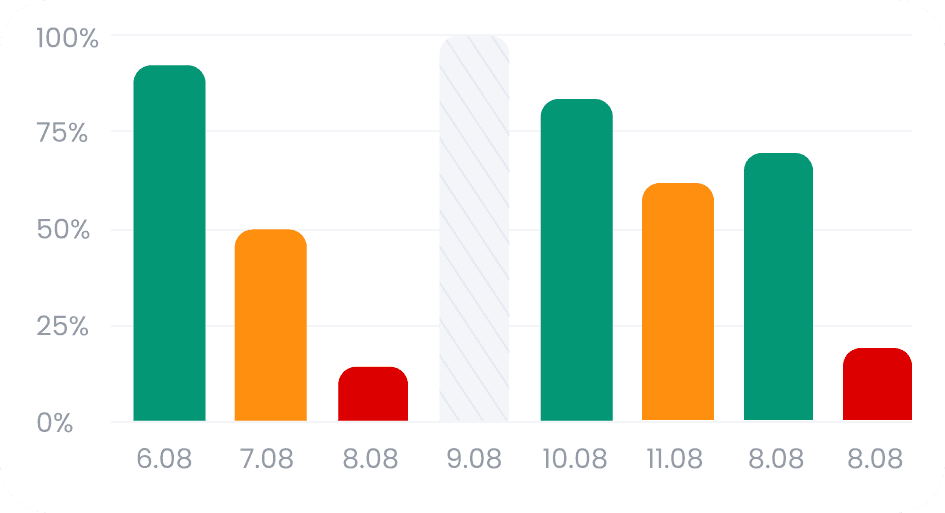
Track your progress
See what you’ve mastered and what to focus on next.



See what you’ve mastered and what to focus on next.
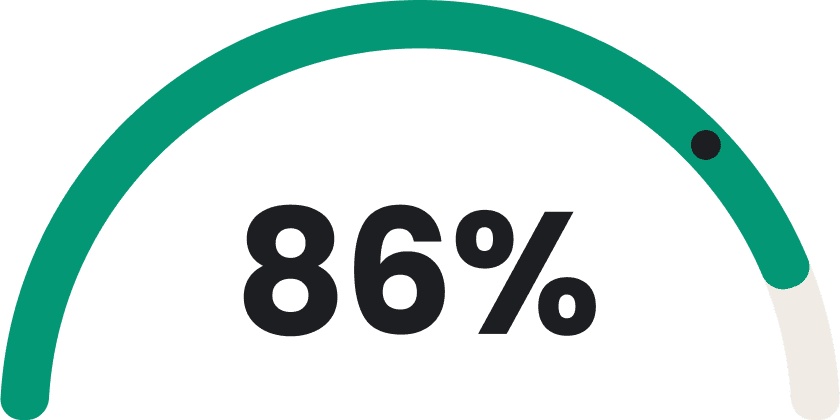
Understand your level and how close you are to passing.
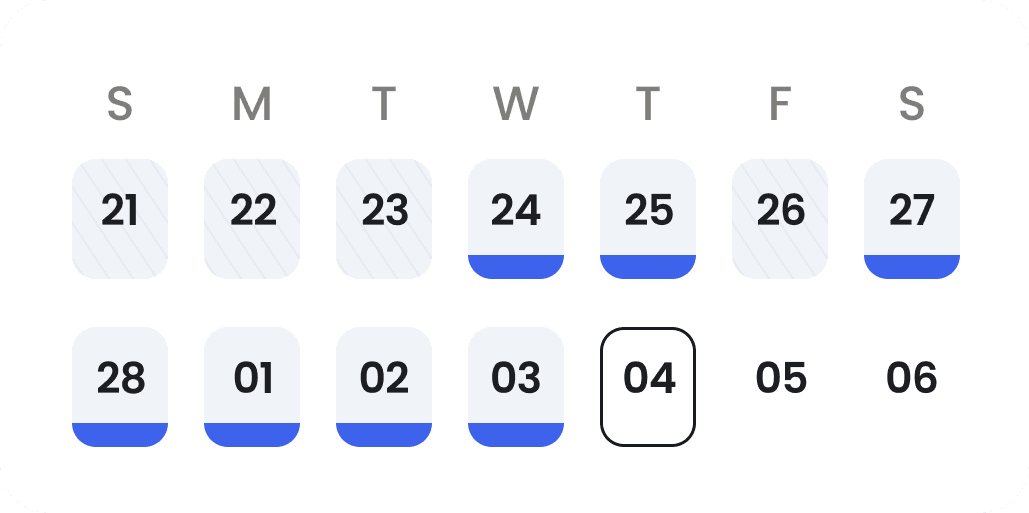
Build a daily habit that keeps you on track.
The Cardiac-Vascular Nursing Certification (CV-BC™) is offered by the American Nurses Credentialing Center (ANCC). It validates the specialized knowledge of registered nurses in the cardiac-vascular field. Key exam topics include Assessment and Diagnosis, Planning and Implementation, Evaluation and Modification, and Patient and Community Education. While specific salary data is not provided, the certification is known to enhance professional credibility and potentially improve job prospects and salary opportunities.
The exam consists of 150 scored multiple-choice questions and 25 unscored pretest questions, with a time limit of 3.5 hours. A passing scaled score is 350 out of 500.
To qualify for the CV-BC™ exam, candidates must hold an active RN license in the U.S. or equivalent in another country, have practiced as a registered nurse for at least two years full-time, accumulate 2,000 hours in cardiac-vascular nursing, and complete 30 hours of related continuing education in the last three years. Recertification requires maintaining an active RN license, completing 75 continuing education hours, and fulfilling one of the ANCC's professional development criteria.
The exam fee is $395 for non-members, $295 for American Nurses Association (ANA) members, and $340 for members of the Society for Vascular Nursing or the Preventive Cardiovascular Nurses Association.
To register for the exam, candidates must submit an application through the ANCC website, receive an Authorization to Test (ATT), and schedule the exam with Prometric using the ATT notice.
Testing is conducted by Prometric. Candidates should bring a government-issued ID and the Prometric test confirmation number. Personal items such as phones and notes are prohibited, but lockers will be provided. Arrive 30 minutes early for check-in. For more details on Prometric's policies, refer to their official guidelines.
overview
Key facts, pass rates, and resources to help you prepare smarter and pass with confidence.
2025 ANCC Certification Data
Juggling work and study was a breeze with the app’s flexible schedule. It fit perfectly into my daily routine!


Match the real test format and difficulty.

Understand mistakes and learn faster.

Focus on what improves your score.

Practice in minutes, on your phone.

Stay on track with built-in support.

Everything you need to succeed.
Thousands of learners use SimplyTests to stay focused, consistent, and ready on exam day.
 Real exam-style questionsLearn faster with clear explanationsPractice at your levelStay consistent every day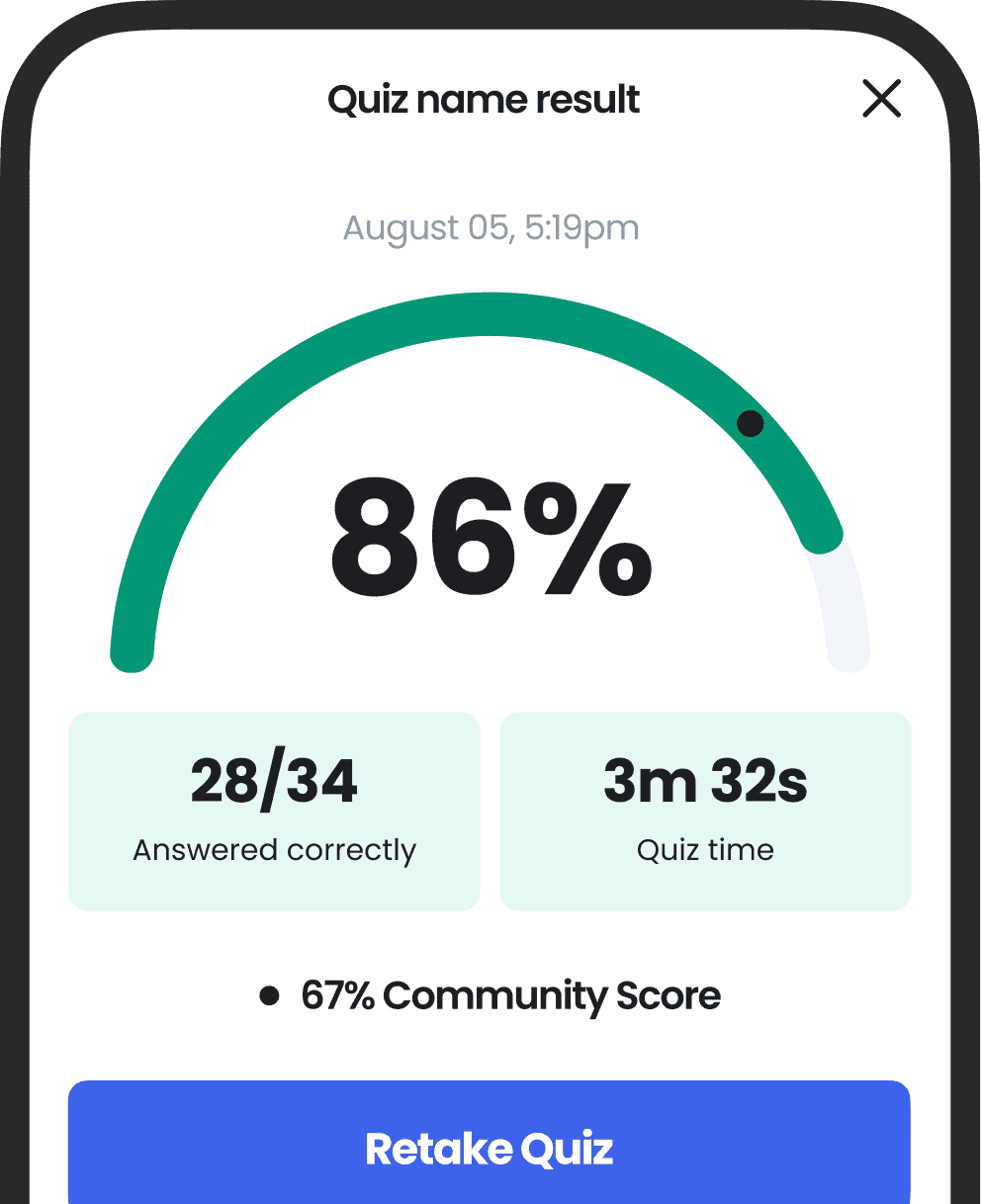
To effectively prepare for the ANCC CV BC exam, it's crucial to leverage the official resources provided by the American Nurses Credentialing Center. Candidates should utilize the ANCC Certification Handbook, which includes comprehensive guidelines and preparation strategies. The Test Content Outline is also essential for understanding the exam's structure and focus areas. For practice, the Sample Questions serve as a valuable tool to familiarize oneself with the exam format.
Effective preparation for the CV BC exam involves rigorous practice with relevant questions. The exam consists of 150 scored questions plus 25 unscored pretest questions within a 3.5-hour timeframe. Utilizing practice tests that mirror this structure can significantly aid in building exam stamina and timing strategies. These practice tests often feature multiple-choice questions that cover the key domains of the exam, helping candidates identify areas for improvement.
Preparing for the ANCC CV BC exam demands a strategic study schedule. Although specific hourly requirements aren't provided in the research data, a general recommendation is to allocate consistent study time over several months. Candidates might benefit from a plan spanning 8–12 weeks, dedicating 1–2 hours daily to focused study sessions. This approach allows for thorough preparation across all exam domains, such as Assessment and Diagnosis, Planning and Implementation, and others.
The CV BC exam content is divided into four primary domains:
Focusing on these areas ensures comprehensive coverage of the essential skills and knowledge required for cardiac-vascular nursing. It's advisable to prioritize study efforts based on the percentage weight of each domain.
The financial investment for the CV BC exam varies based on membership status: $395 for non-members, $295 for ANA members, and $340 for Society for Vascular Nursing or Preventive Cardiovascular Nurses Association members. While specific salary data for CV BC-certified nurses isn't provided, certification typically results in enhanced professional credibility and potentially higher earnings. For broader insights, the Bureau of Labor Statistics notes that specialized registered nurses often earn higher salaries compared to their non-certified counterparts, reflecting the value of obtaining certification in fields like cardiac-vascular nursing.
The SimplyTests ANCC CV BC App is designed to optimize exam preparation with the following features:
Users of the app typically experience a 20-30% higher pass rate, underscoring its effectiveness as a preparation tool.
Maximize your chances of passing the CV BC exam with these strategies:
By following a structured study plan and utilizing available resources, candidates can enhance their readiness for the ANCC CV BC exam and advance their careers in cardiac-vascular nursing.
Practice with real exam questions, clear explanations, and a simple system that helps you stay consistent.


Certification exams in